Supreme Court Orders Delhi Police to Produce Protest Curbs and Preserve CCTV
On 15 October 2026 the Supreme Court asked Delhi Police to place its Section 163 BNSS orders on record and keep CCTV from the protests in Delhi.
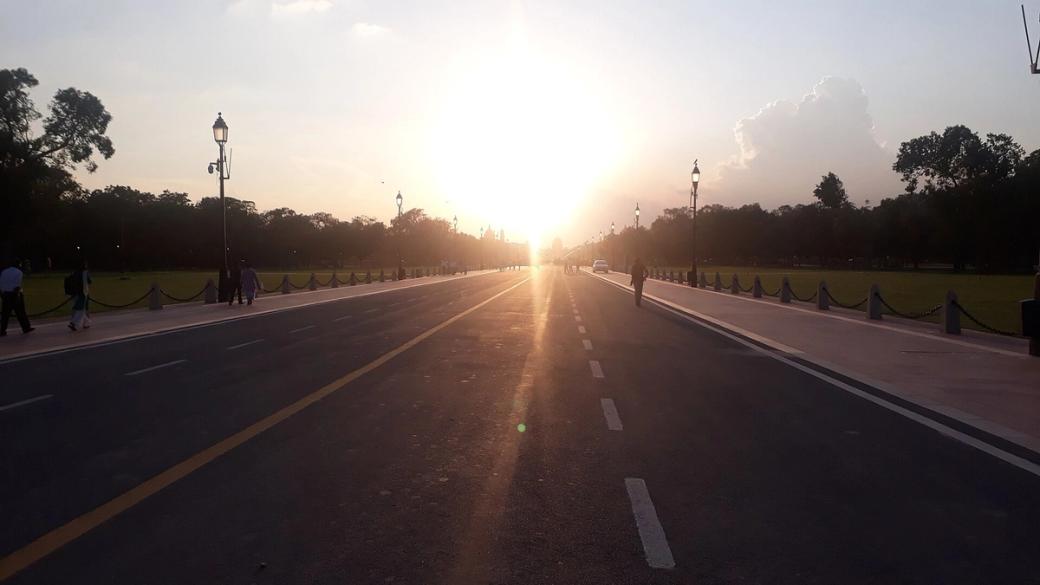
On 15 October 2026 the Supreme Court of India directed Delhi Police to place on record its prohibitory orders under Section 163 of the Bharatiya Nagarik Suraksha Sanhita (BNSS), and to preserve CCTV footage and other digital material. The bench, led by Chief Justice Surya Kant with Justice Joymalya Bagchi, made the directions while hearing petitions over protests in Delhi against Chief Election Commissioner Gyanesh Kumar of the Election Commission of India. Bar & Bench reports that, in a connected case, the direction to place such orders on record was addressed to the Union government, while LiveLaw and ApniLaw name Delhi Police.
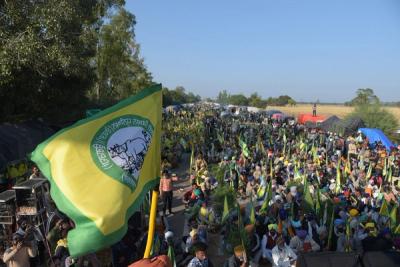
For readers in Delhi, the case turns on the orders that restrict assembly and movement in the capital, and on the detentions made during the protests on 10 October. The protesters demanded Kumar's resignation over his management of the special intensive revision of electoral rolls.
What the Court Ordered on 11 and 15 October
At a special sitting on 11 October, Justice Joymalya Bagchi and Justice V Mohana directed that no one be detained except under the procedure established by law. The bench specifically protected peaceful, unarmed assemblies held outside areas where Section 163 orders are in force. LiveLaw reports that metro and rail services were to run normally unless restricted for public order under Article 19(2) of the Constitution, and that the internet was to remain undisturbed.
The same directions, LiveLaw reports, allowed free movement across the city, subject to traffic regulations.
The Court issued notice to alleged contemnors to file affidavits and a compliance report, LiveLaw reports. LiveLaw lists Union Home Secretary Govind Mohan, Delhi Police Commissioner Anurag Kumar and DMRC Chairperson D Thara as the officials named in a contempt petition. LiveLaw also reports that Section 163 boards around the Supreme Court were ordered taken down, if not already done, to ensure there is no apprehension regarding access to justice.
At the 15 October hearing, Senior Advocate Menaka Guruswamy told the bench that the police commissioner's affidavit did not contain the relevant Section 163 orders or the number of people detained, ApniLaw reports. LiveLaw and ApniLaw report that Solicitor General Tushar Mehta was asked to place the orders on record in further affidavits.
On 15 October the Court directed that CCTV footage and digital material from the protests be preserved by all law enforcement agencies, LiveLaw reports. ApniLaw reports that such material could bear on allegations about how authorities intercepted and detained participants.
Detention and Metro Figures Put Before the Court
The reported figures for detentions on 10 October vary. LiveLaw reports that Guruswamy referred to reports of 7,000 people detained, and that a petition by RJD MP Manoj Jha alleges more than 6,000. Verdictum quotes the petition as saying more than 7,000 persons were reportedly detained across Delhi on that day.
On metro stations, LiveLaw reports that the Solicitor General gave the figure as 47 closed or restricted out of 303. Verdictum quotes the petition as saying that 57 stations were first ordered closed, and that the Union later stated entry and exit were restricted at 45 or 47 of the 303 stations on 10 October. LiveLaw also reports that Kapil Sibal, for RJD MP Manoj Jha, said 45 metro stations remained shut.
Verdictum lists the petition's challenges: the shutdown of 57 Delhi Metro stations, a mobile internet suspension within a 4-km radius, mass detentions, and the prevention of people from travelling to or joining the protest. LiveLaw reports that Kapil Sibal said authorities were picking people up from trains and from outside the 4-km radius.
What the Bench Decided on Sections 163 and 172
The bench declined to entertain a constitutional challenge to Section 163, relying on the 1961 Babulal Parate v. State of Maharashtra judgment, which upheld Section 144 of the Code of Criminal Procedure, the provision Section 163 replaces. The Court agreed to examine individual prohibitory orders issued in Delhi.
The bench issued notice on a petition by Samriddhi Das challenging Section 172 BNSS, Bar & Bench reports. Section 172 requires compliance with lawful police directions and permits the detention of people who obstruct police duties.
LiveLaw and ApniLaw report that Delhi Police defended the restrictions by citing the conduct of earlier organisers, public order, and security around diplomatic visits and the 18th BRICS Summit. ApniLaw reports that the orders covered parts of the New Delhi district ahead of the 10 October protest at Jantar Mantar, while LiveLaw reports they were imposed across the New Delhi district. Both report that the orders barred assemblies of five or more people without prior written permission.
Lawyers were arguing against orders they had not seen.
What the Petitions Argue and What Section 163 Allows
Section 163 empowers magistrates to restrict public gatherings to prevent danger to life, public safety or disturbance of tranquillity, Bar & Bench reports.
Bar & Bench reports that at least 15 petitions had been filed as of 14 October, while its headline gives 18. The petitions raise questions of public movement, police action, personal liberty, press freedom and disobedience of judicial directions by police.
Verdictum reports that the petitioners argue Sections 163 and 172 violate Articles 14, 19 and 21 of the Constitution, citing rights to peaceful assembly and movement. It also describes the prohibitory order at issue as district-wide, operating across the New Delhi district.
On the orders, the petitions ask whether they can be issued without the satisfaction, material facts and territorial and temporal limits that the law requires, Verdictum reports. On Section 172, the petition argues that police have unchecked discretion to detain, with no judicial oversight, no written reasons and no safeguards or review.
Kapil Sibal said none of the lawyers had seen the order, and Justice Bagchi remarked that they were arguing against a ghost, LiveLaw and ApniLaw report. Lawyers were arguing against orders they had not seen.
Detentions, Next Dates and Open Questions
The 11 October directions bar detention except under the procedure established by law, particularly for peaceful, unarmed assemblies beyond the area where Section 163 orders are in operation.
The affidavit before the court did not give the number of people detained, according to Guruswamy's submission reported by ApniLaw and LiveLaw.
Bar & Bench lists 27 October for petitions on the special intensive revision of electoral rolls, 3 November for a batch of Delhi protest petitions covering police action and the denotification of Jantar Mantar, and 19 November for the Section 172 petition and challenges to prohibitory orders.