Petrol Export Duty Rises to ₹2.50 a Litre as Diesel Levy Is Cut to ₹8.50
Petrol's export duty rises to ₹2.50 a litre and diesel's falls to ₹8.50 from 16 October 2026. Domestic duties on fuel are unchanged.
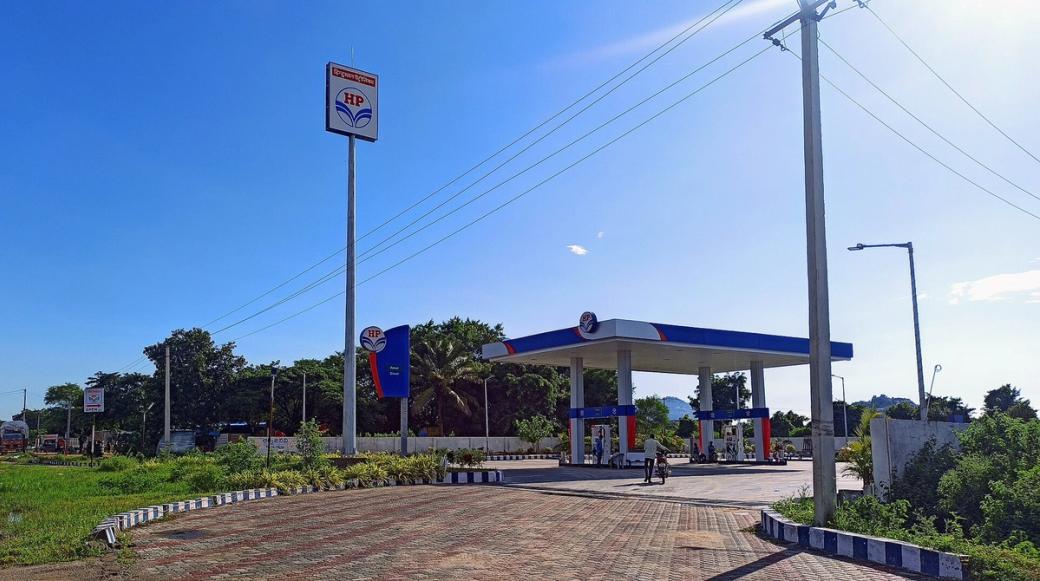
The Finance Ministry raised the export duty on petrol to ₹2.50 a litre from ₹0.50, with effect from 16 October 2026, and cut the duty on diesel exports to ₹8.50 a litre from ₹16. The change was made under a notification dated 15 October. The duty on aviation turbine fuel (ATF) exports stays at ₹10.50 a litre.
For readers in India, the change applies only to petroleum products shipped abroad. Domestic duties on petrol and diesel are unchanged, and the levy does not change the rates on petrol and diesel cleared for domestic consumption.
Petrol's Export Levy Rises Fivefold While Diesel's Falls by Nearly Half
Petrol is the only one of the three products whose export levy went up. Its duty rose from ₹0.50 a litre to ₹2.50, and diesel's fell from ₹16 to ₹8.50. Petrol's export levy is now five times its previous rate, while diesel's has been cut by about 47 per cent. Aviation turbine fuel stays at ₹10.50 a litre, the highest of the three.
The notification, numbered 54/2026-Central Excise, calls the levy a special additional excise duty on exports. It was issued under Section 5A of the Central Excise Act, 1944, read with Section 147 of the Finance Act, 2002. It took effect on 16 October, a day after it was dated. Business Today calls the same levy an export duty, while DT Next and UNI call it a windfall tax.
After the revision, the diesel levy is still more than three times the petrol levy, at ₹8.50 against ₹2.50, and sits between petrol and ATF. The diesel reduction of ₹7.50 a litre is the larger change in per-litre terms, against a rise of ₹2 for petrol.
Export Duties Were Reintroduced in March Amid West Asia Supply Concerns
DT Next reports that export duties on diesel and ATF were imposed on 27 March 2026, amid escalating tensions in West Asia. Before 16 October, petrol carried the lowest export levy of the three products, at ₹0.50 a litre.
Business Today describes the latest change as made amid growing concerns over fuel supplies during the West Asia conflict. According to DT Next, the duties are meant to secure domestic availability of petroleum products by making exports less attractive.
UNI reports that India first levied windfall taxes on fuel exports in July 2022, when global energy prices surged.
The Finance Ministry said in a notification that the changes would take effect from 16 October.
What the Revision Means for Exporters, Refiners and Pump Prices
For exporters, petrol shipments now carry a higher levy and diesel shipments a lower one. On 10,000 litres of petrol, the levy rises from ₹5,000 to ₹25,000. On 10,000 litres of diesel, it falls from ₹1,60,000 to ₹85,000. The rates are per litre, so the change scales with the volume shipped. ATF exports are unaffected, since their rate did not change.
Refiners that sell petrol or diesel for export are subject to the same per-litre levy, so the new rates apply to their export sales from 16 October. A refiner selling diesel abroad now faces ₹8.50 a litre, just over half the earlier ₹16 rate, while domestic sales carry no change in duty.
The export change does not alter the duties on petrol and diesel sold at pumps in India, because domestic duties are unchanged.
Petrol's export levy is now five times its previous rate, while diesel's has been cut by about 47 per cent.
Fortnightly Reviews and What Is Not Yet Known
Business Today reports that the export duties are reviewed every fortnight, and DT Next says they are revised every fortnight. The revised rates, Business Today says, will remain in force for the next fortnight.
Because the rates are reviewed on that cycle, the figures in this article may change at the next revision.