Centre Says Airfare Pricing Rules Are Finalised, to Be Published Within Two Weeks
The Centre has told the Supreme Court that airfare pricing rules are finalised and will be published within two weeks, ahead of a 16 November hearing.
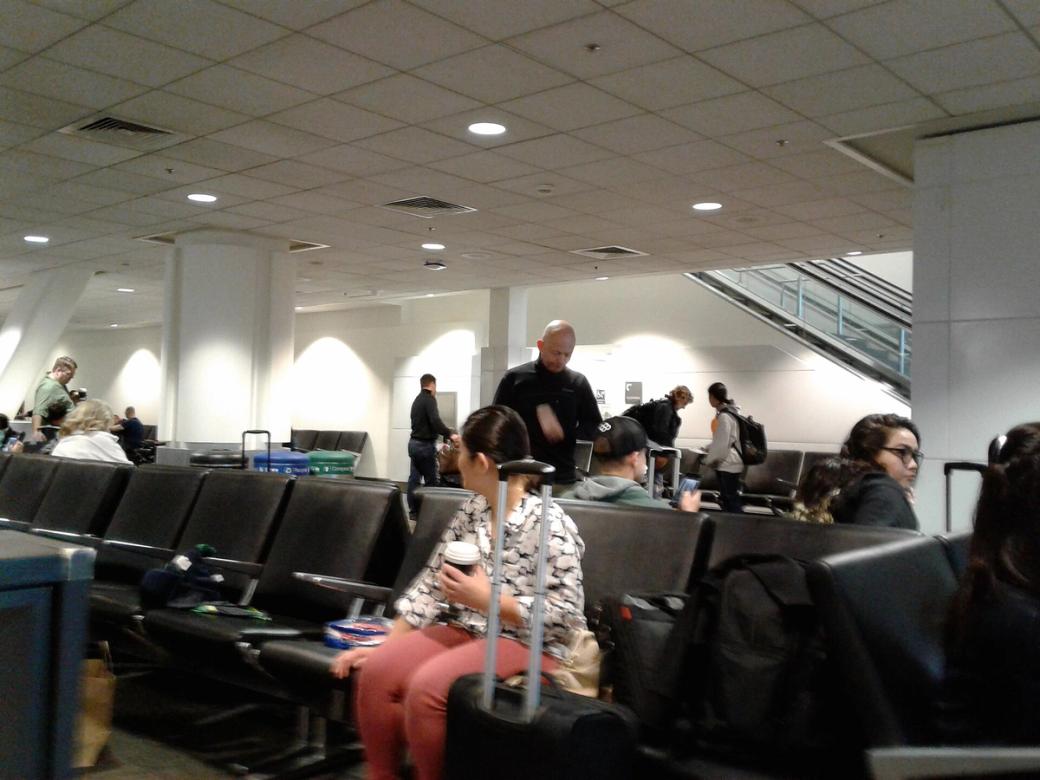
The Centre told the Supreme Court on 16 October 2026 that rules regulating airfare pricing have been finalised and have administrative approval, and will be published within two weeks. Solicitor General Tushar Mehta made the submission to a bench of Justices Vikram Nath, R. Mahadevan and Aparesh Singh. The Court has listed the matter for 16 November 2026 and asked that the published rules be placed before it by then.
The case is a public interest petition about fares and extra charges set by private airlines, including sharp rises during festivals. As of 16 October 2026, no text of the rules had been reported as published.
What the Centre Told the Court
According to LiveLaw and The Tribune, Mehta told the bench that the rules had been finalised and had received administrative approval. Mehta said they would be published within two weeks, which counted from the 16 October hearing is 30 October.
The bench then adjourned the matter to 16 November, according to The Tribune, with the published rules to be placed before it on that date.
What the Rules Are Reported to Cover
LiveLaw reports that the rules are likely to address the concerns raised in the petition, including airfare pricing, surge pricing and excess baggage charges. The Federal says the rules are expected to address surge pricing, airfare calculation and excess baggage charges.
The petition also questions the cut in complimentary check-in baggage allowance from 25 kg to 15 kg, according to LiveLaw, The Federal and The Tribune.
The Tribune says the Bench asked for the published rules under the Bharatiya Vayuyan Adhiniyam, 2024 to be placed before it on the next hearing date.
The Petition on Festival-Season Fares
According to LiveLaw, the case is W.P.(C) No. 1124/2025; LiveLaw and The Tribune say it was filed by the activist S. Laxminarayanan. According to The Tribune, the petition says sudden price spikes during festivals, emergencies and peak travel periods hurt passengers who must travel for medical, educational or employment reasons.
LiveLaw says the petition concerns arbitrary and exorbitant airfare pricing by private airlines, and The Federal says it raises concerns over steep increases during festivals and periods of high demand. Lawbeat reports that it seeks a binding regulatory framework for airline pricing and passenger rights, measures against arbitrary fare increases and extra charges, and an independent aviation regulator with adequate powers to protect consumers.
The fare issue was before the Court in January 2026 as well. A bench of Justices Vikram Nath and Sandeep Mehta termed the exorbitant rise of airfares by airlines 'exploitation', according to NewsOnAir. It asked the Centre and the Directorate General of Civil Aviation to file replies and listed the case for 23 February.
At the 16 October hearing, Senior Advocate Ravindra Srivastava questioned the delay in framing the rules. Srivastava pointed to similar pricing problems ahead of Diwali this year, according to The Federal and LiveLaw.
The rules are known so far only through what the Centre told the Court.
What Flyers Can Expect and What Comes Next
Based on the reports, the rules are expected to address the petition's concerns, including airfare pricing, surge pricing and excess baggage charges. No text of the rules has been reported as published. The rules are known so far only through what the Centre told the Court.
The practical effect for passengers will depend on the final text, which has not been reported as published. The next date is 16 November 2026, when the published rules are due before the bench.
The Court has not ruled on the petition's substance, and no ruling has been reported. Two points remain open until the text is published: whether the free baggage allowance is covered, and whether the Centre has responded to the petition's call for an independent regulator. No such response has been reported.