India Rejects US Congresswoman’s Voter-Roll Remarks as ‘Unwarranted and Uninformed’
India’s foreign ministry called US Congresswoman Pramila Jayapal’s voter-roll remarks “unwarranted and uninformed” on 16 October 2026, a day after the envoy responded.
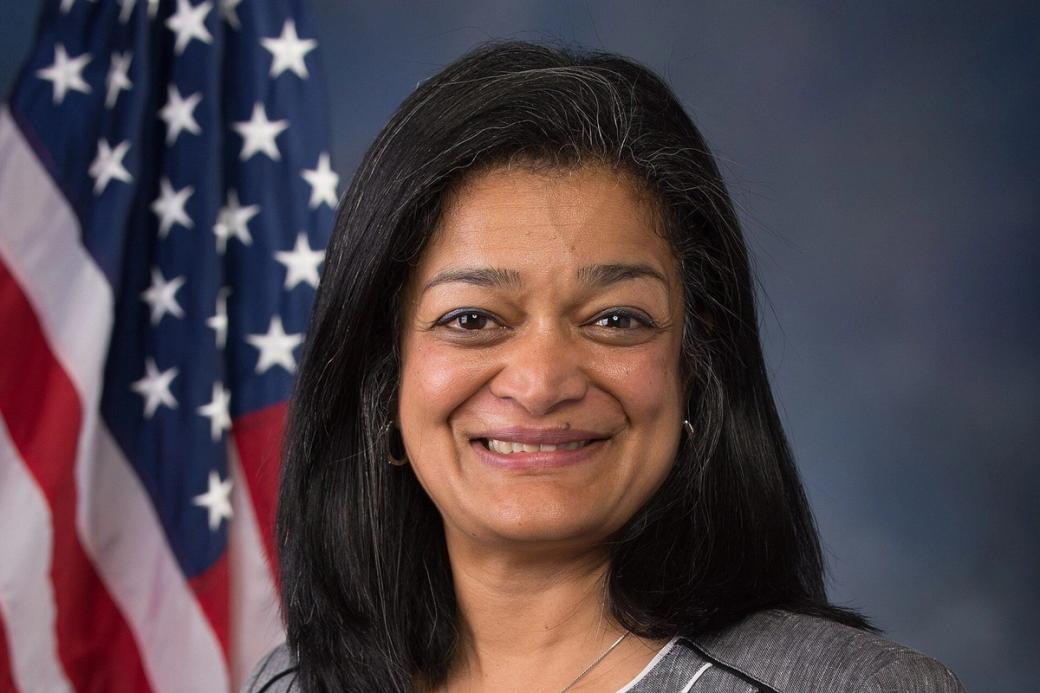
On 16 October 2026, India’s Ministry of External Affairs (MEA) described remarks by US Congresswoman Pramila Jayapal on the Special Intensive Revision (SIR) of electoral rolls as “unwarranted and uninformed”. Spokesperson Randhir Jaiswal made the statement at the ministry’s briefing on Friday.
A day earlier, Ambassador Vinay Mohan Kwatra said in a post on X that the remarks were interference in India’s internal affairs. Jayapal had posted on 14 October that she was deeply concerned about what she described as a purge of 130 million people from India’s voting rolls.
What the Special Intensive Revision Covers
The Special Intensive Revision is a process run by the Election Commission of India (ECI) to update electoral rolls. The ECI says it began on 24 June 2025. The first two phases covered 13 states and Union Territories, and the third phase covers 18, according to ThePrint and Outlook.
At the draft stage, electors can be classified as absent, shifted, dead or duplicate, a group the ECI calls ASDD. Free Press Journal reports the Commission’s breakdown of about 13 crore such entries as roughly 2.8 crore dead, about 3 crore absent or untraceable, about 6.3 crore permanently shifted and nearly 1 crore registered at more than one location.
The Commission says this is not the number removed from final rolls. Final figures will be known only after revision is complete in the remaining states and Union Territories.
The Commission also says about 2.37 crore voters aged 18 to 28, described as Gen Z, have been added since the SIR began. It has called the 13 crore deletion claim misleading and rejected allegations of large-scale voter deletions and irregularities in the revision.
The Disputed Figure: 130 Million Against 13.36 Crore
Jayapal’s figure is 130 million, or 13 crore. Figures attributed to the Commission put draft-roll deletions at about 7.2 crore in the first two phases and 6.16 crore in the third. Together they total about 13.36 crore.
Open Magazine attributes both sets of figures to Commission data cited in an ANI report. India News Network and Outlook attribute both sets to the Commission.
Both totals are draft-roll counts, and the Commission says exclusion from a draft roll does not by itself constitute a final denial. The two totals add up to about 133.6 million, close to the 130 million Jayapal cited. Jayapal’s figure is her own characterisation of those counts.
How Voters Left Off the Draft Rolls Can Seek Inclusion
Draft rolls and related lists were shared with political parties and their Booth Level Agents (BLAs) for verification. Booth Level Officers (BLOs) carry out field verification. Where notices involve unmapped entries or logical discrepancies, BLOs will visit homes to collect documents and upload them to ECINET, a digital platform to facilitate officials in carrying out their statutory responsibilities.
Eligible voters can file claims and objections against draft entries before final rolls are prepared. Decisions by Electoral Registration Officers (EROs) can be appealed.
A genuine voter whose name was inadvertently left out can seek inclusion through the claims and objections process. Eligible citizens can also apply through Form 6.
In Maharashtra, the claims-and-objections deadline was extended to 12 October 2026. Notices and objections are to be disposed of by 10 November, according to the Free Press Journal.
The Commission says this is not the number removed from final rolls.
What Was Said
Jaiswal said the remarks amounted to interference in the electoral practices of a fellow democracy, and that the approach undermines democracy itself.
Kwatra wrote that India has robust, independent constitutional institutions and a longstanding record of free and fair elections. He said he was open to constructive conversation to address what he called Jayapal’s misconceptions about the revision.
Jayapal said she was deeply concerned about the Indian government’s actions. She compared them to the Trump administration’s approach to voting rights in the US, and backed non-violent protests against what she called anti-democratic efforts. ThePrint notes the remarks were the first such comment on the issue by a US lawmaker.
The remarks came amid protests against Chief Election Commissioner Gyanesh Kumar over the SIR and alleged poll irregularities. India News Network reports the government’s position that the electoral process is monitored and updated consistently to reflect current demographic and legal realities.
Related coverage: Supreme Court Upholds Special Intensive Revision; Phase III Covers 16 States and 3 UTs; 6.5 Crore Names Removed in SIR's Second Phase; Delhi Protesters Seek CEC Kumar's Exit.