Bank Complaint Must Come First: RBI's 2026 Ombudsman Scheme Raises Compensation Caps
Customers must first complain to the bank or lender, then can approach the RBI Ombudsman. The 2026 scheme in force since 1 July raised compensation caps.
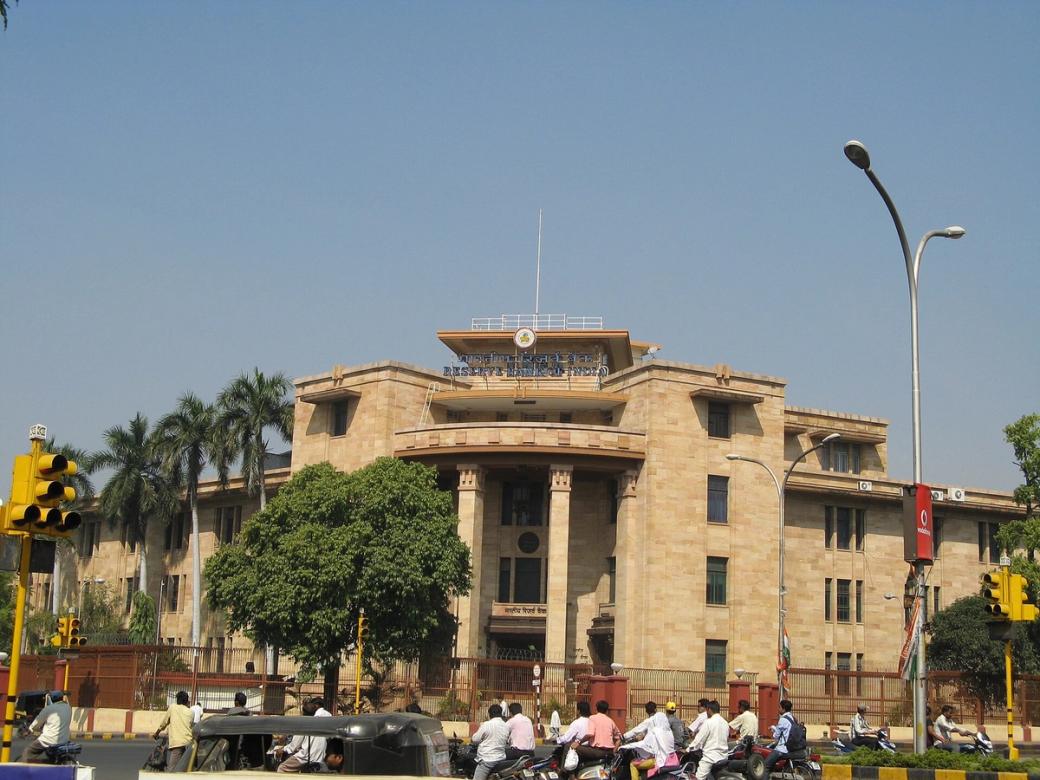
Bank customers in India who have a complaint about deficient service can take it to the Reserve Bank of India's ombudsman. The Reserve Bank – Integrated Ombudsman Scheme, 2026 took effect on 1 July 2026 and replaced the 2021 scheme. Its timelines and compensation ceilings differ from the earlier rules in several places.
A customer must first raise the complaint with the bank or other regulated entity before the ombudsman can take it up. The stages below set out how the process now works. Where reports differ on a detail, the text says so.
The 2026 Scheme Replaces the 2021 Framework
The RBI issued a draft Reserve Bank – Ombudsman Scheme, 2025 on 7 October 2025 and sought feedback from stakeholders and the public. The final scheme was set out in a press release dated 16 January 2026, numbered 2025-2026/1936. The RBI says it examined the feedback, incorporated changes into the final scheme and published an annex summarising the feedback and the action taken.
The stated aim is to strengthen the Reserve Bank Ombudsman framework and bring further efficiency to complaint resolution. The scheme came into force on 1 July 2026, and the 2021 scheme was repealed from that date. Outlook Money says complaints and appeals filed under the 2021 framework continue under the old rules. Upstox says complaints received before 1 July 2026 remain governed by the 2021 scheme.
Vinod Kothari's analysis says the 2026 scheme expressly designates the Executive Director in charge of the Consumer Education and Protection Department as the appellate authority. The 2021 scheme named the executive director of the concerned RBI department. Business Today gives the same designation for the 2026 scheme, and adds that an officer of equivalent rank authorised by the Governor may also be the Appellate Authority.
The same analysis says the RBI must now publish an annual report on the scheme's functioning. Under the 2021 scheme, the Ombudsman submitted a report to the RBI, but the RBI was not obliged to publish it.
Who Can Use the Scheme
Business Today lists the eligible entities as commercial banks, regional rural banks, scheduled and certain co-operative banks, NBFCs, prepaid payment instrument issuers, payment system participants, credit information companies, and other entities the RBI notifies.
Upstox names state and central co-operative banks, and urban co-operative banks that meet the prescribed deposit criteria. The two sources describe the co-operative bank category in different terms.
Vinod Kothari's analysis defines a customer as a person who uses, or applies for, a service provided by a regulated entity. It says the term deficiency in service now covers all services provided by regulated entities, not only financial services.
Upstox describes the non-bank category as NBFCs with a customer interface. Outlook Money refers to eligible NBFCs.
What Counts as a Complaint, and What Falls Outside
Business Today lists unauthorised transactions, ATM and card disputes, digital payment failures, refund delays, loan servicing issues, credit report errors, disputed charges and fees, deposit account problems, payment settlement failures and harassment by recovery agents among the maintainable complaints. Other customer service deficiencies are also covered.
Business Today lists commercial decisions such as loan sanction or pricing, matters already pending before a court or tribunal, anonymous complaints, complaints filed without first approaching the entity, employee-employer disputes, vendor-related disputes, and policy decisions or suggestions as not maintainable. Upstox also lists disputes between regulated entities among the exclusions.
Business Today says customers may represent themselves or appoint an authorised representative, subject to the scheme's conditions. Vinod Kothari notes that the complaint form lists a complaint filed by an advocate among non-maintainable scenarios.
Step One and Step Two: The Entity Stage and the 90-Day Window
The customer must first complain to the concerned bank or lender, which has 30 days to respond. The ombudsman can be approached if the entity does not reply in that time, or if the customer is dissatisfied with the reply. A complaint filed without first approaching the entity is not maintainable.
Business Today says a timeline set by RBI directions, National Payments Corporation of India guidelines or card network rules applies in place of the 30 days where one exists. Outlook Money describes the same rules as extending the 30 days where a longer period is allowed.
The filing window is 90 days, and the sources differ on when it starts. Business Today says it runs from the entity's final response, or from the end of the prescribed response period if no reply is received. Vinod Kothari's analysis says it runs from whichever is later: the end of the 30-day response period or the entity's last communication.
Under the 2021 scheme, the window was one year from the entity's reply, or one year plus 30 days if the entity did not reply, according to Vinod Kothari's analysis.
A customer must first raise the complaint with the bank or other regulated entity before the ombudsman can take it up.
Filing Routes and How Complaints Are Screened
Complaints can be filed through the RBI's Complaint Management System portal, by email, or as a physical application or by post to the Centralised Receipt and Processing Centre. Business Today places that centre in Chandigarh and gives the toll-free number 14448 for guidance in several Indian languages.
Vinod Kothari says portal complaints undergo system-based validation and are rejected at the outset if they are not maintainable. Email and physical complaints are assessed for maintainability at the processing centre.
Outlook Money describes the scheme as "One Nation, One Ombudsman", a model that gives customers one complaint mechanism regardless of where they or the regulated entity are located.
Remedies, Compensation Ceilings and Appeals
Business Today says that where a deficiency is established, the Ombudsman can direct the entity to rectify it, perform specific obligations, refund money, pay compensation or take other remedial measures. Outlook Money describes the same power to order a fix or compensation. Vinod Kothari says the Ombudsman can also issue non-binding advisories at any stage to help full or partial settlement.
The Ombudsman can award up to ₹30 lakh for consequential financial loss caused by a deficiency in service, up from ₹20 lakh under the 2021 scheme. A separate ceiling of up to ₹3 lakh covers loss of time, expenses, harassment and mental anguish, where applicable, up from ₹1 lakh. Business Today, Upstox, Outlook Money and Vinod Kothari give the same 2026 figures.
Vinod Kothari says the harassment and mental anguish ceiling applies in addition to other compensation. The scheme places no monetary limit on the value of the dispute.
Both customers and regulated entities can appeal an award to the Appellate Authority. Business Today says an entity cannot appeal an award passed because it failed to provide satisfactory and timely information or documents.