Cabinet Approves Fertiliser Subsidy Rates for Rabi 2026-27, Tentative Budget ₹62,370 Crore
The Union Cabinet approved Nutrient Based Subsidy rates for phosphatic and potassic fertilisers on 11 November 2026, with a tentative budget requirement of ₹62,370 crore.
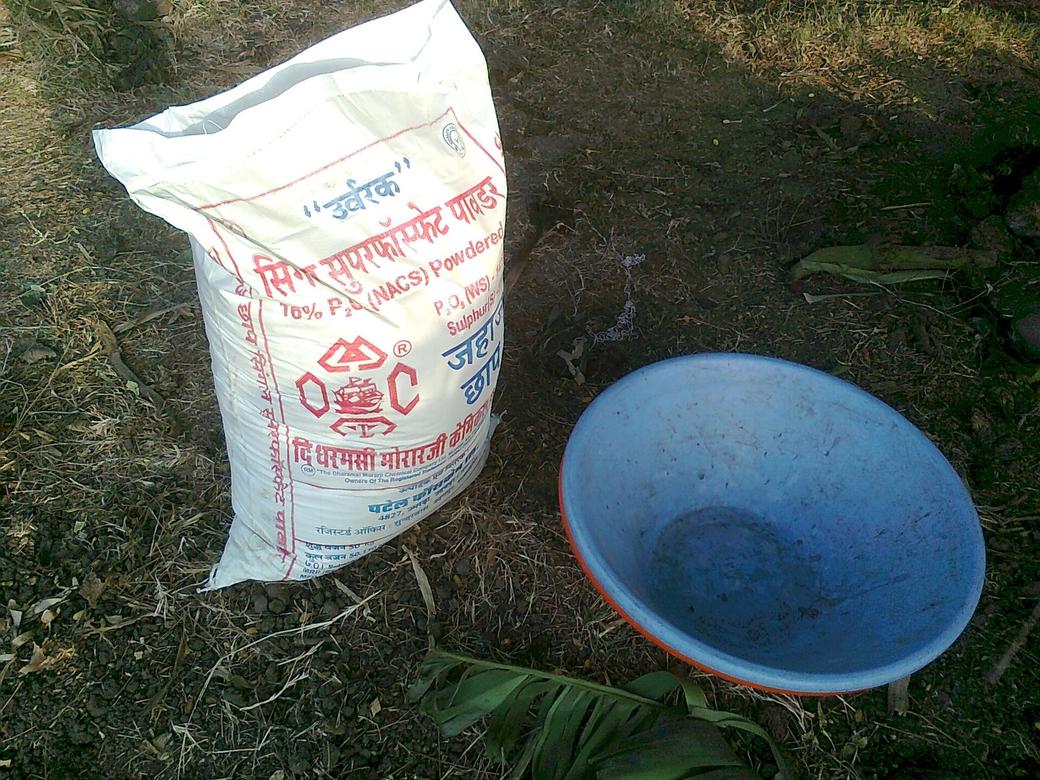
The Union Cabinet on 11 November 2026 approved Nutrient Based Subsidy rates for phosphatic and potassic fertilisers for the Rabi 2026-27 season, News On AIR reported. The approval sets a tentative budgetary requirement of ₹62,370 crore, about ₹24,417 crore more than the Rabi 2025-26 requirement.
The rates cover 1 October 2026 to 31 March 2027. Information and Broadcasting Minister Ashwini Vaishnaw briefed the media in New Delhi after the Cabinet meeting. The decision sets the subsidy for the six-month Rabi period that follows the Kharif season.
Which Fertilisers and Months the Approval Covers
The rates apply to phosphatic and potassic fertilisers, the two groups named in the decision. Angel One says the P&K grades under the scheme include DAP. The Kharif 2026 approval, reported by the Free Press Journal, also covered P&K fertilisers.
The window runs for six calendar months, from 1 October 2026 to 31 March 2027. News On AIR says the rates take effect from 1 October, about six weeks before the Cabinet decision was announced on 11 November.
The Rabi 2025-26 approval, reported by The Tribune, used the same October-to-March window, running from 1 October 2025 to 31 March 2026.
How the Nutrient Based Subsidy Scheme Works
The Nutrient Based Subsidy scheme has operated since 1 April 2010. Under it, the government pays subsidies to fertiliser manufacturers and importers so that farmers can buy fertilisers at reasonable prices, according to The Tribune.
The subsidy is linked to nutrient content rather than product type, according to Angel One. Vajiram & Ravi's explainer says an inter-ministerial committee sets a fixed amount of subsidy for each grade of P&K fertiliser each year. The committee considers international benchmark prices for finished fertilisers and their raw materials.
The Tribune reports that the Rabi 2025-26 approval was made by the Cabinet, chaired by Prime Minister Narendra Modi, on a proposal from the Department of Fertilisers.
The scheme covered 28 grades of P&K fertilisers, including DAP, as of 28 October 2025, according to an ANI report carried by The Tribune. Angel One says the scheme covered 25 grades until Rabi 2023-24, and that three more were added from Kharif 2024.
The same Tribune report gives the stated aims of the Rabi 2025-26 approval as keeping P&K fertilisers steadily supplied, keeping grades such as DAP and NPKS easily available at affordable prices, supporting farmers during the Rabi season, and adjusting subsidy levels to recent global fertiliser price trends.
Retail prices work differently for non-urea fertilisers. The Free Press Journal reports that retail prices of non-urea fertilisers such as DAP, MoP and NPK are decontrolled and set by manufacturers, while the government provides fixed subsidies each year.
A ₹62,370 Crore Tentative Budget Requirement
The tentative budgetary requirement for 1 October 2026 to 31 March 2027 is ₹62,370 crore.
The Rabi 2025-26 requirement was a tentative ₹37,952.29 crore, according to The Tribune. Angel One gives the same figure as about ₹37,952 crore, and says it was ₹736 crore more than the Kharif 2025 allocation.
News On AIR puts the increase at about ₹24,417 crore. Measured against ₹37,952.29 crore, the ₹62,370 crore figure is about 64 per cent higher; that percentage is calculated from the reported numbers.
Per-Kilogram Rates for Kharif 2026 and Rabi 2025-26
News On AIR's report gives no per-kilogram rates for Rabi 2026-27. The per-kilogram rates in the Free Press Journal's report are for Kharif 2026, which it sets against the Rabi 2025-26 rates.
The Free Press Journal's report lists nitrogen, phosphate, sulphur and potash. For nitrogen, the Kharif 2026 rate is ₹47.32 per kg, up from ₹43.02. The phosphate rate is ₹52.76 per kg, up from ₹47.96. Sulphur rose from ₹2.87 to ₹3.16 per kg, while potash stayed at ₹2.38 per kg.
The Free Press Journal reports that Vaishnaw said the retail price of a 50-kg DAP bag is held at ₹1,350 for farmers, despite sharp rises in international DAP prices since the Covid years. The same report ties the Kharif 2026 increases to rising global prices linked to the West Asia conflict.
Alongside the Kharif 2026 rates, the report lists provisions to manage global price volatility, similar safeguards for imported Triple Super Phosphate (TSP), continued freight subsidy for Single Super Phosphate (SSP), and inclusion of imported and domestic Ammonium Sulphate under the NBS scheme for that season.
For Rabi 2026-27, News On AIR says the government cited recent trends in international prices of fertilisers and inputs, naming urea, DAP and sulphur. After the Cabinet meeting, Vaishnaw said the subsidy would ensure smooth availability of these fertilisers to farmers at affordable prices.
Angel One also lists product-wise subsidies for Rabi 2025-26, including ₹29,805 per tonne for DAP, up from ₹21,911 in Rabi 2024-25.
The approval sets a tentative budgetary requirement of ₹62,370 crore, about ₹24,417 crore more than the Rabi 2025-26 requirement.
How the Kharif and Rabi Decisions Fit Together
The Kharif 2026 Cabinet decision was reported on 8 April 2026 and covers 1 April to 30 September 2026. Its P&K outlay of ₹41,534 crore is a 12 per cent rise over ₹37,216 crore for Kharif 2025, according to the Free Press Journal.
The Rabi 2025-26 decision was reported on 28 October 2025, about a year and two weeks before the Rabi 2026-27 decision. The Rabi 2026-27 approval covers 1 October 2026 to 31 March 2027, the same October-to-March window as the previous Rabi approval.
The Free Press Journal also reports a separate FY 2026-27 allocation of ₹1,70,799 crore for the Nutrient Based Subsidy and urea subsidy schemes combined, covering Kharif 2026 and Rabi 2026-27.
A Separate Museum Decision
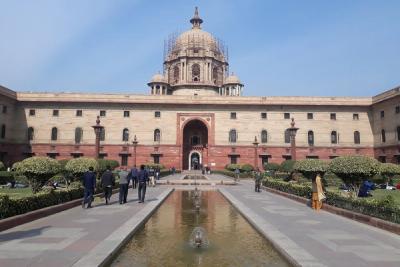
On the same day, the Cabinet Committee on Economic Affairs approved the development of the Yuge Yugeen Bharat Museum at the North and South Block Complex in New Delhi, at an estimated cost of about ₹3,230 crore, according to News On AIR. The report's headline refers to the Cabinet, while its body names the committee.
The museum is described as a civilisational museum that will show the continuity, diversity and richness of India's heritage, through an integrated narrative of tangible and intangible heritage. It will be created by adaptive reuse of the historic complex, preserving its architectural character. The report says its curated thematic galleries and exhibitions will cover cultural traditions, knowledge systems, artistic practices and heritage.
Vaishnaw said the museum would cover India's full civilisational journey and would be the largest display area in the world. The Prime Minister announced the museum on 18 May 2023.