Money Bills Face a 14-Day Rajya Sabha Limit; Other Bills Need Both Houses and Assent
A bill becomes law only after both Houses of Parliament pass it and the President assents. Money bills, joint sittings and constitutional amendments follow separate rules.
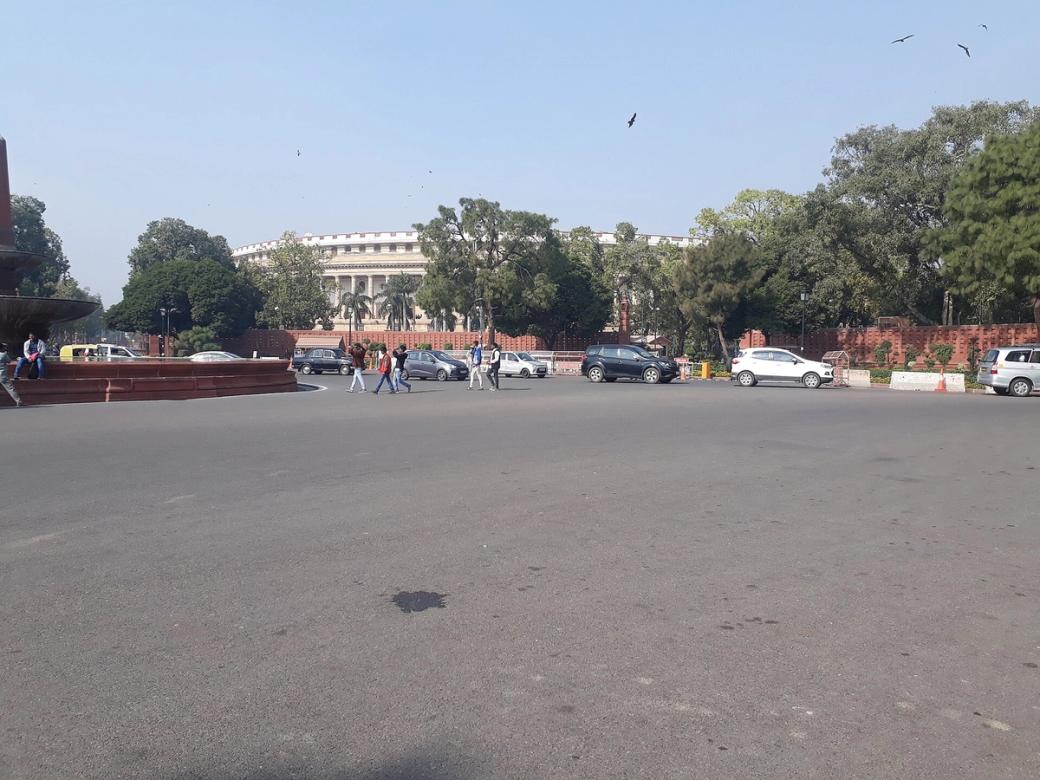
A bill becomes an Act of Parliament only after both Houses pass it and the President gives assent. The steps are set by the Constitution and by the procedure each House follows. Two kinds of bill have their own routes: money bills and constitutional amendments.
The Lok Sabha has up to 530 members directly elected by adult suffrage from territorial constituencies in the States, and up to 20 members for the Union Territories. Its term is five years unless the President dissolves it sooner; while a Proclamation of Emergency is in operation, Parliament may extend it by law. Each House takes a bill through the same basic stages, so the sections below apply to both Houses in turn. Readers following a bill in the news can use these stages to see where it stands, and whether one of the special routes applies to it.
Three Readings in Each House
Each House takes a bill through three readings. The first reading is the introduction, or laying, of the bill before the House. The second reading includes a discussion of the bill's principles and provisions, and the bill may be referred to a select committee or a joint committee of the two Houses at that stage.
During the second reading, the House considers the bill clause by clause. Each clause is discussed and may be accepted, amended or rejected, so the text can change between introduction and the final vote.
The third reading is the House's vote on the bill as revised during the second reading. The bill then passes to the other House, which takes it through its own three readings.
Parliament also has standing committees that examine bills referred to them. The year 1993 saw 17 Departmentally Related Standing Committees constituted, and their number has since been increased to 24. Eight operate under the Rajya Sabha Chairman and 16 under the Lok Sabha Speaker.
A bill that has passed both Houses then goes to the President. The President acts only after that point, as the section on assent explains.
Money Bills and the Rajya Sabha's 14-Day Limit
A money bill can be introduced only in the Lok Sabha, and only with the prior recommendation of the President. The Rajya Sabha therefore never introduces such a bill, but it still takes part in the later stages.
Once the Lok Sabha passes a money bill, the Rajya Sabha must return it within 14 days from the date it receives it. The Rajya Sabha may include recommendations, and the Lok Sabha may accept or reject them.
The Lok Sabha's passage therefore starts the clock for the Rajya Sabha. That structure limits the Rajya Sabha's part to recommendations within a fixed deadline.
The President cannot return a money bill for reconsideration, unlike other bills.
Joint Sittings When the Houses Disagree
When the two Houses cannot agree on a bill other than a money bill or a constitutional amendment bill, the President may notify both Houses of an intention to summon them to a joint sitting. The notice may follow three situations: one House rejects the bill, the Houses have finally disagreed on amendments, or more than six months pass without the other House passing it.
A joint sitting therefore depends on that notice. In plain terms, it means members of both Houses meet together rather than the bill passing back and forth between them.
Presidential Assent and the Limits on Returning a Bill
After both Houses pass a bill, it is presented to the President. The President may assent to it, withhold assent, or, if it is not a money bill, return it to the Houses for reconsideration.
Money bills are the exception to the power to return, because the President cannot return them. The President can also seek clarification on a bill.
A constitutional amendment passed with the prescribed special majority must receive the President's assent. Assent is the last stage in the sequence set out above.
A constitutional amendment needs more than a simple majority in each House.
Constitutional Amendments Need a Two-Thirds Vote
Article 368 sets the procedure for amending the Constitution. Each House must pass the amendment by a majority of its total membership and by a two-thirds majority of the members present and voting.
A constitutional amendment needs more than a simple majority in each House. The first test is measured against the House's total membership, not only the members who vote on the day, so a majority of those present is not enough on its own.
The second test is measured against the members present and voting, so the number needed depends on attendance on the day. Both tests apply in each House, not across the two Houses combined.
Some amendments also need ratification by at least half of the state legislatures. These cover changes to Articles 54, 55, 73, 162, 241 and 279A, to Chapter IV of Part V, Chapter V of Part VI and Chapter I of Part XI, to the lists in the Seventh Schedule, to the representation of States in Parliament, and to Article 368 itself.
An amendment affecting any of these provisions therefore needs both the parliamentary votes and the ratification of at least half the state legislatures.
How the Three Routes Compare
An ordinary bill passes three readings in each House and then goes to the President for assent. The joint sitting route can be used, for a bill that is neither a money bill nor a constitutional amendment, when the Houses disagree or when more than six months pass without passage.
A money bill starts only in the Lok Sabha, the Rajya Sabha has 14 days to return it, and the President cannot send it back.
A constitutional amendment needs the two-thirds vote in each House and, for the listed provisions, ratification by at least half of the state legislatures.
The three routes differ in the vote needed, the House where the bill starts, and whether state legislatures must ratify it. Each route still requires the bill to pass both Houses before it reaches the President.