SEBI Chairman Says Direct Mutual Fund Plans Will Be Default on AMC Apps From 1 November
SEBI's chairman said direct plans will be the default on fund houses' digital platforms from 1 November. What changes for expense ratios, existing holdings and distributors.
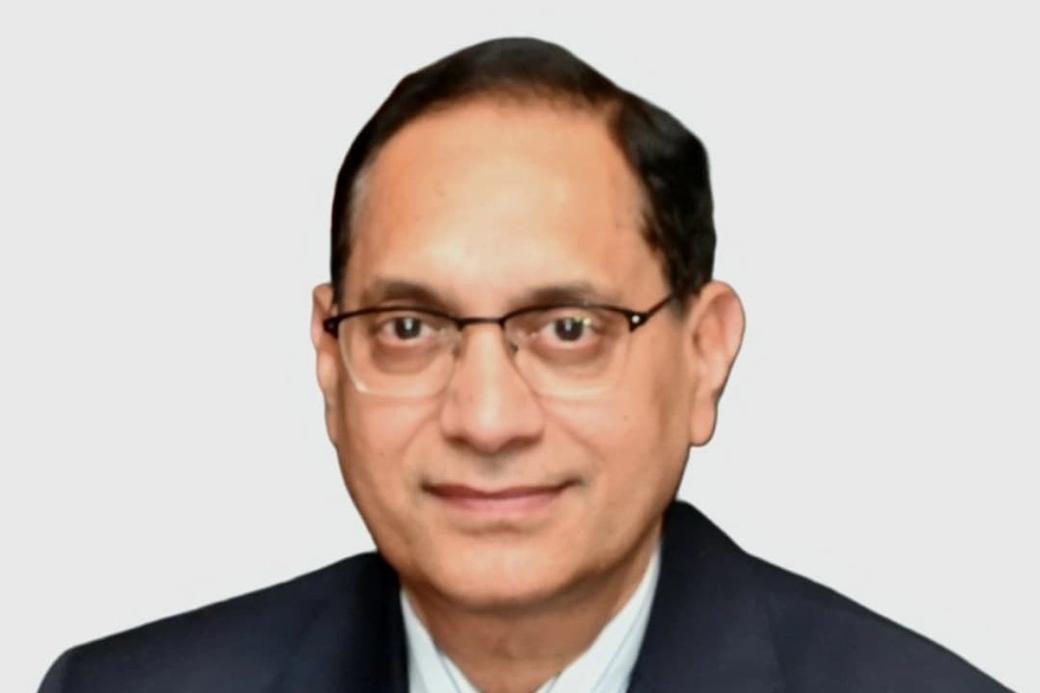
On 28 October 2026, Tuhin Kanta Pandey, chairman of the Securities and Exchange Board of India (SEBI), said that from 1 November direct plans will be the default option on the digital platforms of asset management companies (AMCs). Outlook Money and Indian Opinion place the remarks at the NDTV Profit IGNITE summit in Mumbai; Angel One's report does not give a venue.
A direct plan is a version of a mutual fund scheme bought without a distributor. A regular plan of the same scheme is sold through one, and it carries a higher expense ratio. The rule applies from 1 November, and the regular plan stays available for investors who choose it. The change applies to AMC websites and apps, and existing investments will not automatically switch to direct plans.
What Changes on AMC Apps and Websites From 1 November
Outlook Money reports that SEBI will require direct plans to be the default option on AMC digital platforms from 1 November. AMCs are asset management companies, and the change applies to the websites and apps they run. When an investor opens a scheme on those channels, the direct plan will be the pre-selected option.
Investors who want a regular plan can still choose one, and the chairman said regular plans remain available. Investors who make that choice will be explicitly told about the higher expense ratio of the regular plan.
Details of how the switch will be implemented have not been announced.
It has also not been announced whether the rule extends to third-party platforms or brokers' platforms.
What a Lower Expense Ratio Means in Rupee Terms
Direct plans have lower expense ratios than regular plans of the same scheme. No scheme-level expense ratios have been announced with the change, so the gap for any particular fund has not been stated.
Indian Opinion gives one worked example. A difference of 0.5 percentage point on an investment of ₹5 lakh comes to ₹2,500 over one year, if the value of the investment stays unchanged. The figure is an illustration, not the fee of any named scheme.
Because the gap is a percentage, the rupee amount scales with the size of the holding. The same percentage gap produces a larger or smaller rupee figure depending on the amount invested.
No comparison of direct and regular plan returns over any period has been announced.
Existing Holdings Stay Where They Are
Existing investments will not automatically switch to direct plans. Pandey clarified that existing investments will not automatically switch to direct plans.
The process for making that move has not been announced, and neither have its tax or exit-load effects.
The default setting applies to new choices made on AMC platforms, while the holdings already in place remain in the plan the investor holds. Investors who want to compare costs for their own scheme will need the scheme-level expense ratios, which the announcement does not include.
What It Means for Investors Who Use Distributors
Direct plans are bought without a distributor, while regular plans remain available through distributors. Indian Opinion reports that the stated aim is greater transparency, as more households invest through systematic investment plans (SIPs) and digital platforms.
The regular plans sold through distributors are the ones that carry the higher expense ratio. How the change will affect the commissions that distributors earn on regular plans has not been announced. Whether distributors' own platforms are covered is also not established.
The change is one of several measures the chairman outlined on 28 October, and the sections that follow cover the others.
Existing investments will not automatically switch to direct plans.
IPO Framework, REIT Listings and Net Settlement Under Review
Outlook Money reports that Pandey said SEBI will revisit the rules for mainboard IPOs and follow-on public offers (FPOs). A parallel review will cover the SME IPO framework and the Innovators Growth Platform, which both aim to improve access to public capital for growing and emerging businesses.
Angel One lists the same IPO items as under review, with no decisions stated. It adds listing and disclosure requirements, ways to help emerging companies raise public capital and corporate bond markets to that list.
On listing timelines for real estate and infrastructure investment trusts (REITs and InvITs), Outlook Money reports that SEBI plans to align them with the schedules used for standard equity listings. Angel One lists the same timelines as under review, with no outcome stated.
On net settlement, Outlook Money reports that SEBI is examining whether to introduce net settlement for mutual fund transactions. This is expected to streamline fund flows and improve operational efficiency. No mechanics or timeline have been announced.
Outlook Money also reports a consultation on Fixed Income Channel Partners, which is meant to widen corporate bond distribution beyond major cities.
Surveillance, Foreign Investors and Investor Awareness
Outlook Money reports that SEBI is piloting an AI tool to monitor disclosures from debenture trustees, stock exchanges, depositories and credit rating agencies, to flag early signs of corporate debt defaults. It is also developing an in-house AI system to analyse compliance reports from portfolio managers and asset management companies.
Angel One reports that the Radar tool, which checks mutual fund and distributor advertisements, is to be extended to other market intermediaries. It also reports that Pandey said firms must stay accountable when they use AI.
Outlook Money also reports stronger monitoring of issue proceeds, a review of the Debenture Trustee framework and the ESG Rating Provider framework, and, with the RBI, easing KYC for foreign portfolio investors. Cinaradio reports that SEBI is working with the RBI to make it faster and easier to bring foreign investors into Indian markets.
Pandey said India has more than 150 million unique investors, and he argued that simply increasing access does not translate into financial literacy, according to Outlook Money. He stressed the need for investor awareness. Angel One reports that 63% of households knew of at least one securities market product, about 9.5% participated in markets, and 36% of investors had moderate or high market knowledge.
Angel One also reports figures for Project Jagruk, which has run since its launch on 5 October: more than 25 crore impressions and more than 18 crore social media views.