Cinema Tickets Up to ₹100 Now Carry 5% GST, Above ₹100 18%; Multiplexes Sought ₹300
Tickets up to ₹100 carry 5% GST and tickets above ₹100 carry 18%, after a September 2025 revision. Multiplexes had asked for the lower slab to cover tickets up to ₹300.
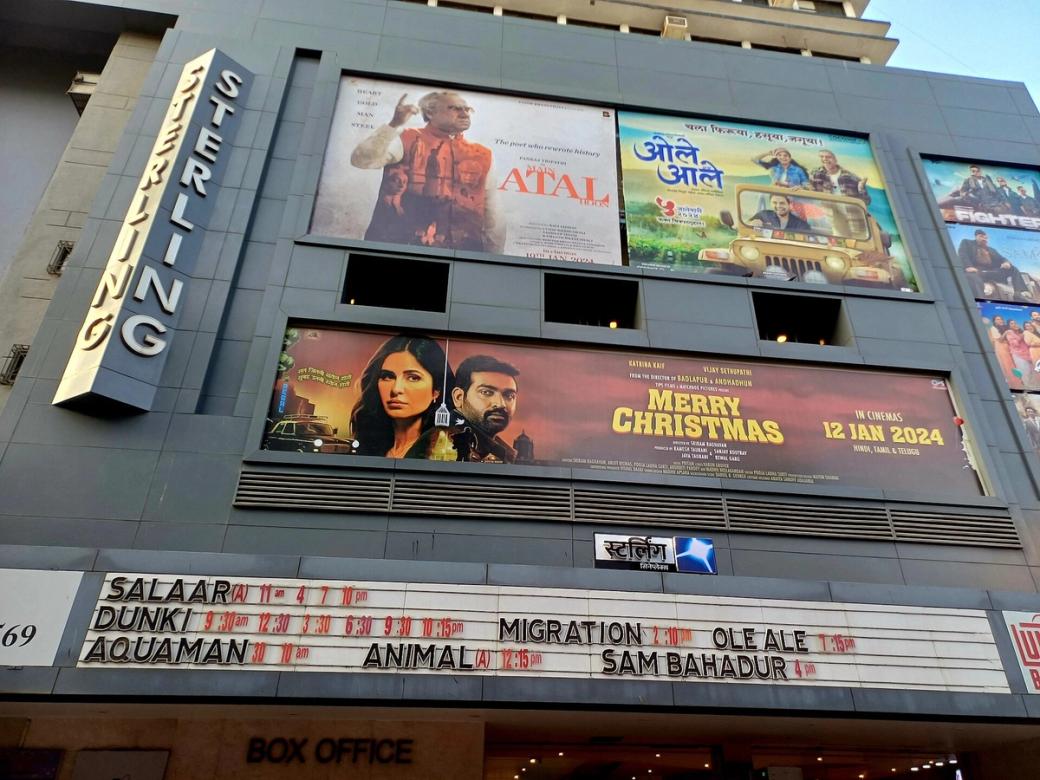
Cinema tickets in India are taxed under the Goods and Services Tax (GST) at two rates, divided at ₹100. Tickets priced up to ₹100 carry 5% GST, and tickets above ₹100 carry 18%, according to Business Today. The lower rate replaces a 12% rate that applied to the cheaper bracket.
The GST Council held its 56th meeting in New Delhi. VAT Update, which summarised the outcomes of that meeting, says most of the changes took effect on 22 September 2025, while some procedural reforms start on 1 November 2025. Gulte gives the same 22 September date for the cinema rates.
Two Slabs Divided at the ₹100 Mark
Under the revised structure, the GST rate on a cinema ticket depends on its price. A ticket priced up to ₹100 falls in the lower slab and is taxed at 5%. Film Information says the ₹100 price itself falls in that slab. A ticket priced above ₹100 falls in the higher slab and is taxed at 18%. Business Today lists both rates as applying with input tax credit (ITC).
Of the two cinema slabs, only the lower one moved. Before the revision, tickets up to ₹100 were taxed at 12%, according to Gulte. The 5% rate therefore cut the tax on the cheaper bracket by seven percentage points, while the ₹100 line itself stayed where it was.
Business Today describes the change as the GST Council's revised structure, and VAT Update lists 18% and 5% as the two slabs of that structure. Within it, the cinema rate is tied to the ticket price.
The Multiplex Request for a ₹300 Slab
The Multiplex Association of India (MAI) wrote to the government, asking that tickets priced up to ₹300 fall under the 5% slab, Gulte reports. The request would have extended the lower rate to a price range three times the ₹100 limit that the revision adopted. Under it, a ₹300 ticket would have carried 5% GST rather than 18%.
Gulte says the GST Council did not take up the request, and the ₹300 slab was not adopted. The 5% rate therefore still stops at ₹100, and a ticket priced between ₹100 and ₹300 is taxed at 18%. The MAI request would have moved every ticket in that band to the lower rate.
How the Dates Fit Together
VAT Update says most of the changes from the 56th meeting took effect on 22 September 2025. It adds that some procedural reforms start on 1 November 2025, including provisional refunds of 90% for inverted duty structures and exports. Gulte gives 22 September 2025 as the effective date for the cinema rates.
Gulte says the Council announced the revision on a Wednesday, following Prime Minister Narendra Modi's announcement on reduced GST rates. The Gulte and Business Today reports are dated 4 September 2025, and the Film Information report is dated 5 September 2025. The cinema change took effect about two and a half weeks after those first reports.
What the Lower Slab Means for the Film Industry
Gulte says the Indian film industry, including Tollywood, Bollywood, Kollywood and other regional industries, grosses over ₹15,000 crore a year. It says the trade has been in severe financial crisis since Covid-19, and audiences have been opting for cheaper platforms such as OTT and television. Gulte also says lower prices at most single screens should bring more footfalls and higher revenues to producers, distributors and exhibitors.
Cheaper tickets may draw audiences back to single screens, especially in rural markets, according to Gulte. The same report says the benefit to Tollywood will be marginal, and it cites Pawan Kalyan's OG, scheduled for 25 September, as the first major Tollywood release under the revised system. It also expects higher box office collections for several upcoming films, including The Raja Saab and Jana Nayagan.
The 5% rate therefore still stops at ₹100, and a ticket priced between ₹100 and ₹300 is taxed at 18%.
What the Rates Mean at the Ticket Counter
For a moviegoer, the rate follows the price of each ticket. Two tickets bought at the same cinema can fall under different rates if one is priced up to ₹100 and the other is above it. Business Today's headline refers to relief for small screens, but the body ties the reduced rate to the ₹100 price threshold, not to screen size.
Business Today also reports a separate rate for sporting events. IPL and other non-recognised sporting events face 40% GST with ITC, up from 28%, and the report places IPL tickets in the same bracket as casinos and race clubs. Its example puts a basic ticket of ₹1,000 at about ₹1,400 after GST. For recognised sporting events, tickets up to ₹500 are exempt, and tickets above ₹500 are taxed at 18%.
The Wider GST Changes from the 56th Council Meeting
VAT Update lists the wider outcomes of the 56th meeting. GST rates move to two slabs, 18% and 5%, with a 40% demerit rate for select goods. Life and health insurance policies are fully exempt, and lifesaving drugs and medical devices are either exempted or taxed at a significantly reduced rate.
Everyday items such as soaps, shampoos, toothpaste, bicycles, paneer, breads, namkeens, chocolates, coffee and ghee see major cuts, according to VAT Update. Cement, small vehicles, agricultural machinery, fertilizers, handicrafts and renewable energy equipment get lower GST.