
IPL Retention Lists Reportedly Due 15 November, Before Expected December Goa Mini-Auction
Reports say franchises must submit retained and released player lists by 15 November 2026, ahead of the final mini-auction of the 2023-27 cycle, expected in Goa in December.
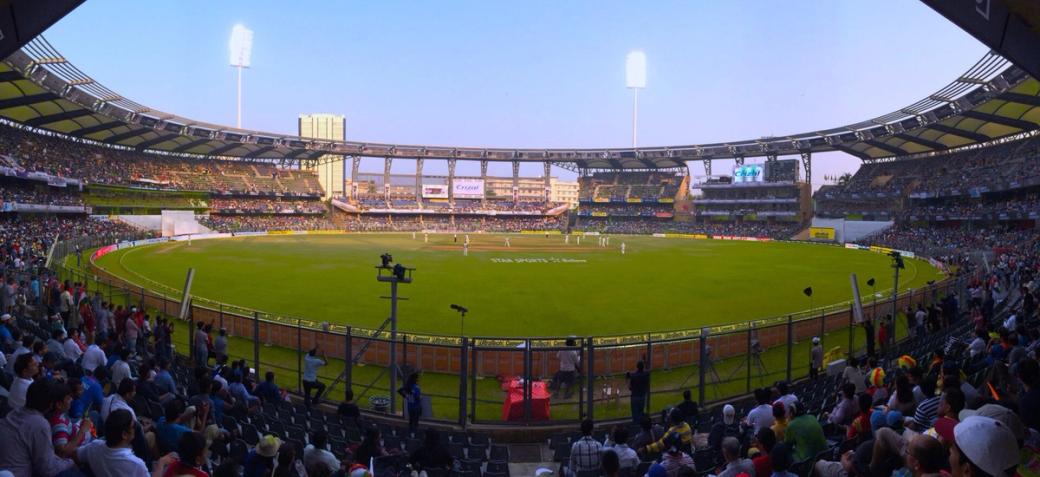
Reports say franchises in the Indian Premier League (IPL) must submit to the IPL which players they will retain and which they will release by 15 November 2026. That deadline comes before the final mini-auction of the 2023-27 cycle, which is expected in December in Goa.
The deadline is widely reported, but the Board of Control for Cricket in India (BCCI) had not officially confirmed it as of 14 October. The auction would be the first held in India in recent years, after three overseas editions. Under the mini-auction format, the two lists and the trade windows shape how much each squad changes. The rules also differ from those of a mega auction, which the sections below set out.
Two lists, one deadline
Each franchise is expected to submit two lists by the deadline: the players it keeps and the players it releases. Released players go into the auction pool, where other franchises can bid for them.
The money a franchise frees by releasing a player is added to its purse for bidding. A release therefore does two things at once: it removes a player from the squad and adds money to the budget for buying replacements.
The 15 November date falls about a month before the reported auction dates. The trade windows run on either side of the auction, so trades can still change a squad after the lists are filed.
How the purse and trade windows fit together
The purse is the budget a franchise can spend at the auction.
The previous mega auction cycle worked differently. One cricket blog's summary of those rules says a franchise could retain up to six players, and that retention fees were deducted from the purse at set amounts (the actual fee where a franchise paid more than the slab): 18 crore for the first capped player, 14 crore for the second, 11 crore for the third, 18 crore for the fourth, 14 crore for the fifth, and 4 crore for each uncapped player. These figures belong to the earlier cycle.
Trading runs alongside the retention process. The first trade window closes one week before the auction. A second window opens one week after the auction ends and stays open until one month before the 2027 season begins. Trades can include player swaps and cash transfers between franchises.
What the mini-auction format allows
A mini-auction is not a mega auction, and the rules differ. The same blog summary says a franchise may keep as many contracted players as it likes in a mini-auction. The earlier mega cycle, by contrast, limited a franchise to six players kept by retention or right to match, with no more than five capped and two uncapped.
The right-to-match card is the other major difference. In a mega auction, it lets a franchise reclaim a former player by matching the winning bid. Once it is used, the winning bidder gets one final raise before the original franchise must then match the raised figure or let the player go. The same summary says the card does not exist in a mini-auction.
Reports describe the mini-auction as a chance to replace released players, cover injuries, add overseas specialists and strengthen weak areas. The Cricket News says franchises are not forced to release large numbers of players in this format, and that most squads carry over unless players are released or traded.
Which franchises face the hardest calls
Delhi Capitals is reported to be among the most active franchises in the trade market. Reports say the franchise has added Rishabh Pant from Lucknow Super Giants and Zeeshan Ansari from Sunrisers Hyderabad, and that T Natarajan went to Sunrisers Hyderabad in exchange. These are reported moves, and the trade window was open at the time of the report.
Rajasthan Royals are linked with Yashasvi Jaiswal, but the report describes this as speculation rather than a confirmed trade. According to Cricbuzz, as reported by The Cricket News on 7 October, Mumbai Indians have held discussions with Chennai Super Kings and Kolkata Knight Riders, among other franchises, over a potential trade for Hardik Pandya.
For the sides named in these reports, the question is whether a move happens before the lists are filed or in the trade windows that run after.
The money a franchise frees by releasing a player is added to its purse for bidding.
Why the auction returns to India
The December auction is the final one of the 2023-27 cycle. Cricketaddictor reports that it returns to India after three overseas editions, and The Cricket News describes it as the first time in recent years the event returns to Indian soil.
Reports differ on whether the venue has been confirmed. Cricketaddictor reports that BCCI secretary Devajit Saikia confirmed a December auction in Goa. BharatBeat says the BCCI had not officially confirmed the dates or venue as of 14 October.
The dates are not settled either. The Cricket News and Cricketaddictor say the auction is likely in the second week of December, while BharatBeat, citing reports, says IPL chairman Arun Dhumal has indicated 15 or 16 December.
What remains open before the auction
Three points are still open in the reporting: the official retention deadline, the exact auction dates and the official confirmation of the Goa venue.
Trades are the other moving part. The first trade window runs past the 15 November deadline and closes one week before the auction, so a franchise can still change its squad after filing its lists. The second window then opens after the auction and stays open until one month before the 2027 season starts.
Official BCCI announcements on the deadline, venue and auction dates would settle the points that are currently reported differently.