All 10 Uttar Pradesh Rajya Sabha Seats Filled Unopposed: BJP Eight, SP Two, After Two Rejections
Ten Uttar Pradesh seats were filled without a vote in October 2026 once two nominations were rejected, under the Representation of the People Act, 1951.
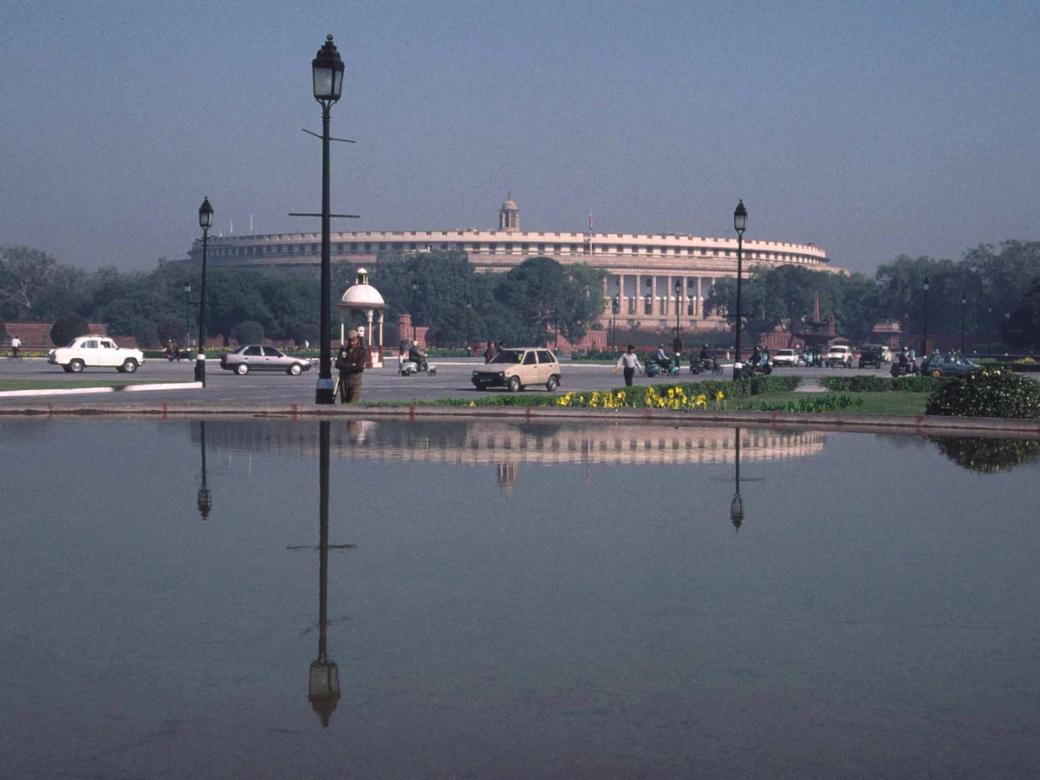
Members of the Rajya Sabha, the upper house of Parliament, are not chosen by voters at large. They are elected by the members of state legislative assemblies. In October 2026, all 10 Rajya Sabha seats from Uttar Pradesh were filled without a poll: the Bharatiya Janata Party (BJP) took eight and the Samajwadi Party (SP) took two.
The Uttar Pradesh round had been scheduled for polling on 16 October. Two Independent nominations were rejected at scrutiny on 7 October, which left exactly 10 valid candidates for 10 seats. No candidate withdrew by the deadline, so the contest ended before polling day and the 10 were declared elected unopposed. The rules behind that outcome sit in the Representation of the People Act, 1951, which govern how a seat is decided, when a candidate can step back, and why a poll is not held when the numbers match.
Who Votes: The State Legislators as Electors
A Rajya Sabha seat is not filled by a statewide vote. Members are elected indirectly by the members of the state legislative assemblies. The electors are the assembly's members, known as MLAs, so the 10 Uttar Pradesh seats were decided by the state's MLAs and not by the public at large.
The method is proportional representation by means of the single transferable vote. A candidate must reach a specific quota of votes to win a seat. The ballot is open rather than secret, so an MLA's choice is not hidden from view.
Each voter ranks candidates in order of preference, marking 1, 2, 3 and so on.
A nomination paper is signed by a proposer, and a withdrawal notice can be delivered by one of the candidate's proposers. The seats are filled by the members of the state legislative assemblies.
The Timetable From Notification to Polling Day
Rajya Sabha elections are biennial, held for the seats whose members' terms are ending. For the Uttar Pradesh round, the schedule set the notification for 29 September 2026 and 6 October as the last day for nominations. The returning officer scrutinised the papers on 7 October, and the last day to withdraw was 9 October. Polling had been set for 16 October.
A nomination must be filed in time and must pass scrutiny, and a candidate who remains in the race may still withdraw within the window that follows.
A candidate can withdraw by a notice delivered before the withdrawal deadline.
The terms of the 10 seats end on 25 November 2026, according to UNI.
Scrutiny and Withdrawal: The Steps That Set the Field
At scrutiny, the returning officer checks each nomination paper. On 7 October, two Independent nominations were rejected, leaving 10 candidates for 10 seats. At that point the contest could end, provided no one withdrew before the deadline.
Section 37 of the Representation of the People Act, 1951 governs withdrawal. A candidate may withdraw by a notice in writing, delivered before three in the afternoon on the day fixed for withdrawal. The notice can be delivered by the candidate in person, by one of the candidate's proposers, or by an election agent who has been authorised in writing by the candidate.
The withdrawal day is fixed under section 30 of the same Act, and it falls on the second day after scrutiny (or the next non-holiday day if that day is a public holiday). In Uttar Pradesh, scrutiny on 7 October was followed by a withdrawal deadline on 9 October, two days later.
A candidate who does not withdraw stays on the list, and the final number of names decides whether a poll is needed.
A poll is taken only where more candidates contest than there are seats.
Why a Poll Is Called Off When Candidates Equal Seats
Section 53 of the Act sets the rule. If the number of candidates equals the number of seats to be filled, the returning officer must declare all of them duly elected without delay. A poll is taken only where more candidates contest than there are seats.
The same section covers the reverse case. If fewer candidates than seats are left, the returning officer declares those candidates elected, and the Election Commission calls for further elections to fill the remaining vacancies.
Uttar Pradesh fits the first case exactly. Ten valid candidates stood for ten seats, and none withdrew by 9 October. The poll planned for 16 October was therefore not held, and all 10 candidates were declared elected unopposed. Once the declaration is made, those candidates fill the seats without any further vote.
The outcome depends on how many candidates remain after scrutiny and withdrawal, not on how many votes each candidate might have won. In this round the count of names settled the result, and no vote was cast.
Ten candidates remained after the two rejections. A candidate is elected unopposed when the number of candidates matches the number of available seats after the nomination and withdrawal period.
Who Was Declared Elected From Uttar Pradesh
The eight BJP members named in the reports are Dharampal Singh (Dharm Pal Singh in Hans India), Prakash Pal, Shruti Gangwar, Vidyasagar Sonkar, Priyanka Singh Rawat, Radhakant Ojha, Gopi Krishna Pandey and Ram Pratap Singh Chauhan.
The two SP members are Ram Gopal Yadav and Dhanraj Parimal Nathwani.
According to the Tribune, the two rejected nominations were filed by Kante Saiyanna, an Independent from Telangana, and Omkar Nath Chaurasia, a Lucknow-based Independent.
The Returning Officer declared the 10 candidates elected on Friday, 9 October.