How Jio Platforms' ₹30,213 Crore IPO Works, From Bidding to Listing
Jio Platforms opens its ₹30,213 crore IPO on 21 October 2026 with a 12-share lot, a fresh issue of 27 crore shares and up to ₹27,500 crore for debt repayment.
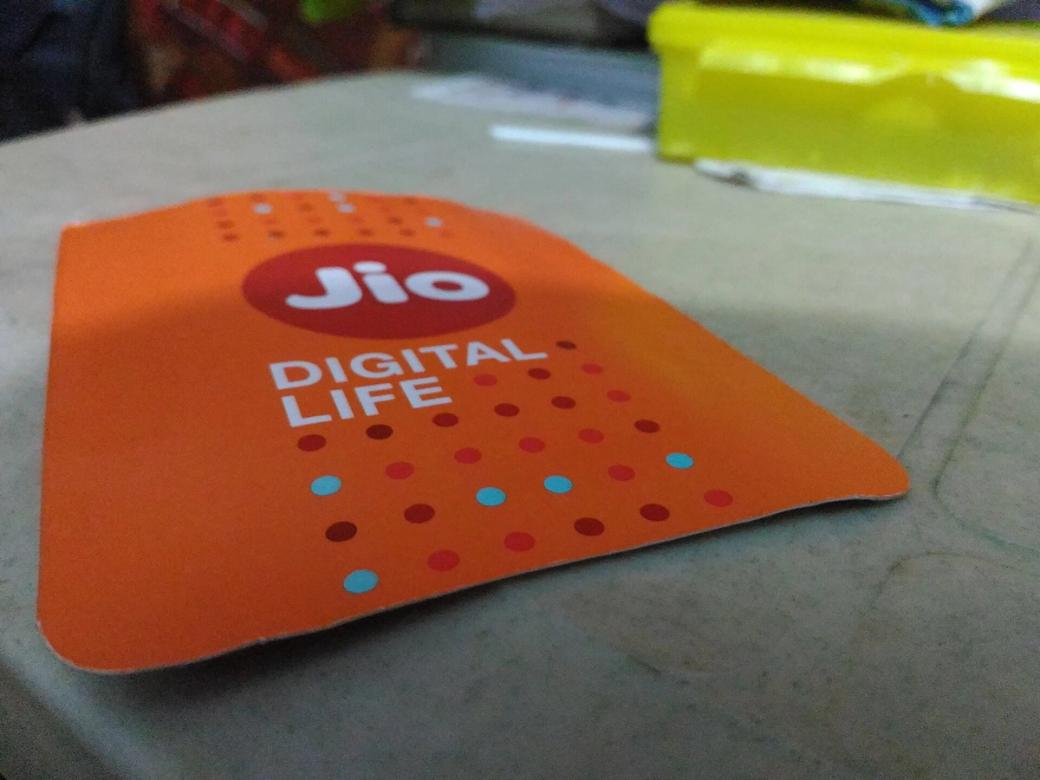
Jio Platforms, whose subsidiary is Reliance Jio Infocomm Limited (RJIL), opens its initial public offering on 21 October 2026 and closes it on 23 October. At the upper end of its ₹1,065 to ₹1,119 price band, the issue raises ₹30,213 crore. BusinessToday reports that this would exceed Hyundai Motor India's 2024 offering of ₹27,870 crore by ₹2,343 crore, which would make it India's biggest public issue.
The terms are set out in a red herring prospectus filed on 14 October 2026. They cover the structure of the issue, the bidding and listing timetable, how the company plans to use the money, and the risks it lists. Where published reports give different figures, the difference is noted in the relevant section.
Earlier reports suggested the company might raise about ₹30,000 crore, before the price band was set. The size of the issue moves with the price: the same 27 crore shares raise ₹28,755 crore at the lower end of the band and ₹30,213 crore at the upper end.
A Fresh Issue of 27 Crore Shares
The issue is entirely new shares: 27 crore equity shares of ₹10 face value each. No existing shareholder is selling in this offer, so the money raised goes to the company. TechTimes puts the 27 crore shares at 2.9% of post-issue equity, and gives the price band as about .17 to .74 a share.
The shares are divided by investor category. Qualified institutional buyers get not more than 50% of the net issue, retail investors not less than 35%, and non-institutional investors not less than 15%, according to Chittorgarh. ThePrint reports two reserved portions for eligible people: up to ₹500 crore for employees of Jio Platforms, and up to ₹2,500 crore for Reliance shareholders who held shares on 14 October.
Eligible employees get a discount of ₹54 per share, which at the upper price band brings their price down to ₹1,065, BusinessToday reports. Chittorgarh says the employee allocation allows up to ₹5 lakh per applicant, and that the employee and Reliance shareholder allocations can be combined within stated limits.
Price Band, Lot Size and the Minimum Bid
The price band is ₹1,065 to ₹1,119 per share. Bids are made in lots of 12 shares, and any larger bid must be a multiple of 12. The minimum retail bid is therefore ₹12,780 at the lower price and ₹13,428 at the upper price. The band is ₹54 wide, so a 12-share lot costs ₹648 more at the top of the band than at the bottom.
Chittorgarh gives the maximum retail application as ₹1,87,992, which is 168 shares or 14 lots at the upper price. Upstox says the retail category allows applications up to ₹2 lakh, the non-institutional category applications above ₹2 lakh, and that Reliance shareholders may submit two separate applications under the same PAN. The Reliance shareholder category carries its own ceiling of ₹2 lakh per application, according to Upstox and Chittorgarh.
Timetable: Anchor Bids on 19 October, Listing on 28 October
Anchor investors bid on 19 October, two days before the public issue opens on Wednesday, 21 October. The issue closes on Friday, 23 October. According to TechTimes and Chittorgarh, allotment is scheduled for Monday, 26 October, and refunds and demat credits for Tuesday, 27 October.
Shares are expected to list on the BSE and the National Stock Exchange of India (NSE) on Wednesday, 28 October. ThePrint and TechTimes both give that expected listing date, which is five calendar days after the issue closes.
Allotment, refunds and listing are therefore expected on consecutive weekdays, from Monday 26 October to Wednesday 28 October.
Use of Proceeds: Up to ₹27,500 Crore to Repay Loans at Reliance Jio Infocomm
The filing earmarks up to ₹27,500 crore for repaying or prepaying borrowings taken by Reliance Jio Infocomm Limited, the subsidiary that runs the telecom business. Medianama says the sum repays loans taken by RJIL and that the remaining funds go to general business needs. ThePrint describes the remainder as going to general corporate purposes.
Before issue expenses, the rest of the ₹30,213 crore issue, about ₹2,713 crore at the upper price, is not earmarked for debt repayment. TechTimes gives the ₹27,500 crore as about .89 billion and the whole issue as about .17 billion.
TechTimes' headline says all proceeds go to retiring debt. The text of the same article gives the ₹27,500 crore figure as the debt portion, which matches Medianama and Upstox.
The size of the debt being repaid is reported differently. Medianama gives RJIL's borrowings as ₹58,375 crore on 30 June 2026, down from ₹70,245 crore a year earlier. TechTimes puts RJIL's total borrowings at about ₹71,529 crore as of March 2026, and says the ₹27,500 crore would retire roughly 38% of that debt.
No existing shareholder is selling in this offer, so the money raised goes to the company.
How a Retail Investor Applies
A retail investor applies through a broker's app or a bank's ASBA facility. Upstox describes choosing the category, entering the bid amount and cut-off price, and approving the IPO mandate that blocks the funds for the application.
Individuals and Hindu Undivided Families (HUFs) who held at least one Reliance share on or before 14 October 2026 can apply under the Reliance shareholder category, with a ₹2 lakh ceiling per application. Upstox says that an eligible shareholder must select the RIL Shareholder category to be considered under the shareholder quota, and notes that a shareholder may submit two separate applications under the same PAN, one in the shareholder category and one in the retail or non-institutional category.
Bids must be in multiples of 12 shares, and a retail applicant can bid for up to 14 lots at the upper price.
Risks the Filing Lists
RJIL contributed 87.74% of Jio Platforms' consolidated revenue in FY26, according to Groww's summary of the filing. The filing says any operational disruption or decline at RJIL could significantly affect group results.
Regulation is a second area. Operations are subject to rules from the Department of Telecommunications and the Telecom Regulatory Authority of India (TRAI) and to licence conditions, and changes could raise costs or bring penalties. Medianama lists possible rules on children's social media use, mobile data consumption and online gaming. It also notes that net neutrality rules could limit differentiated rates for 5G services sold to business customers.
The filing also covers artificial intelligence. Medianama reports that AI systems may produce inaccurate results, and that new AI rules could raise compliance costs or restrict use.
Competition and investment risks are also listed. Satellite broadband could add competition for JioFiber, JioAirFiber and enterprise connectivity, and the business needs continuing investment in network upgrades.
Groww reports tax proceedings worth ₹7.5 crore against Jio Platforms, and proceedings involving ₹10,836.3 crore against its subsidiaries and ₹44,187 crore against the promoter. The Jio brand is also used across Reliance Group businesses, so legal disputes or negative publicity involving other group companies could affect Jio Platforms' reputation.